
The label has been stretched to fit almost anything physical, but the definition has not moved an inch.
Real asset investments have become one of the most stretched terms in private markets. Wine, watches, a fractional share in a car park, a token that borrows the word gold, all now arrive with the same label attached. The category has lost a clear edge. When a word covers everything, it stops telling you anything, and the buyer is left doing the work the label was supposed to do.
The term sits inside the wider world of alternative investments, where precise language tends to go soft. Definitions matter most where money is involved. A loose one here does real damage, because it lets a financial product borrow the safety associations of a tangible asset it has nothing in common with.
A real asset earns the name by what it does, not by what it is called.
Three things separate a genuine real asset from a financial product wearing the costume. It earns income from work the economy needs. Its value resets with the real economy rather than with the swing of sentiment. And it cannot be conjured out of a spreadsheet, because the thing it rests on is physical and limited in supply.
Income From a Real Job, Not From the Next Buyer
The first test is the hardest to fake. A real asset pays you because it does something the economy needs, every day, whether or not anyone wants to buy it from you. Electricity gets sold. Rent arrives on space people actually use, month after month. A motorway keeps collecting tolls for the simple reason that the traffic has to keep moving somewhere. The return shows up as cash from function, and that cash does not depend on finding a more optimistic buyer down the line.
Gold is the clean counter-example. It is real, it is scarce, and it sits there producing nothing, so its whole return rests on someone later paying more for it than you did. That is a respectable thing to own. It is not the same thing as a producing asset, and the difference matters when you are building a portfolio that has to pay for itself.
Does a Real Asset Actually Beat Inflation?
Only sometimes. It beats inflation when its pricing links to the real economy, through replacement cost, contracted revenue that rises with prices, or demand that grows with activity. Assets that simply rose last year are riding sentiment, and the two part company fast.
The point holds across categories. Replacement cost is the quiet engine here, and it is worth understanding. When building something new costs more because steel, labour and land have all gone up, the value of the thing already built rises with it, since a buyer would have to pay today’s price to replace it.
Power generation works this way. So does well-located property with rent reviews tied to an index. The asset makes no promise. Its pricing is simply wired into the same forces that drive inflation, which is a very different and more durable thing. How that linkage is actually written into an energy contract is the subject of the inflation hedge inside PPAs.
You Cannot Build One in a Spreadsheet
The third test catches most of the pretenders. A real asset is scarce because of something physical, not because a document says so. You cannot print more prime farmland. A power plant needs land, a grid connection, permits and an actual build, none of which a clever arrangement can summon into being.
Compare that with a financial product calling itself infrastructure while its return comes from borrowing piled on top of more borrowing. The wrapper borrows the language of the real thing. The engine underneath is borrowed money, and borrowed money is manufactured rather than mined from anything real.
Where Renewable Infrastructure Sits Among Real Asset Investments
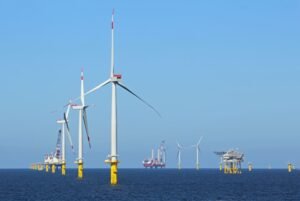
Run renewable energy generation through the three tests and it passes each one cleanly. It sells electricity, a thing the economy consumes every hour of every day, often under long contracts that fix the buyer and the price for years ahead. Its value tracks replacement cost and power demand, both of which move with the real economy. And it is physically scarce in the way that matters, because a sited, permitted, grid-connected plant is a real object that took years and capital to bring into being. A grid connection in particular has become one of the scarcest inputs in energy, as we set out in the renewable energy cost of capital. The label fits here. It fits because the asset does the work, not because the brochure says so.
Portugal has already shown what this looks like when it works. The Santa Marta Bond paid investors 20% per annum, listed in Frankfurt, and redeemed in full in December 2025. The cash came from electricity sold into a real economy, which is precisely the behaviour that the three tests above were written to identify in the first place. That bond is closed and settled now, a finished record of a real asset doing what it claimed. It is here as evidence, nothing more.
Why the Label Is the Start of the Work, Not the End
For anyone putting capital to work, the practical lesson is uncomfortable. The tin barely matters now. What actually matters is whether the underlying asset passes the three tests, and that turns out to be a question of evidence rather than vocabulary. Is there contracted cash flow from a real-economy function? Does the value reset through genuine linkage, or did the asset simply have a good year? Is the scarcity physical, or merely on a page?
There is a second layer that gets missed. Owning the real-asset characteristics is not the same as owning a claim that merely tracks them from a distance. How the exposure is built decides which one you actually hold. Direct participation in the asset behaves differently from a financial instrument arranged to mimic it, particularly when markets turn and the gap between the two suddenly matters. This is the part that rewards careful work before capital moves, not after. Architecture comes first. The asset selection that everyone enjoys debating sits further down the line than most people think, a point developed further in the portfolio logic of uncorrelated real assets.
Real asset investments are worth the attention they get. The name, though, has been borrowed so widely that it no longer does the sorting it once did. So the sorting falls to you. A genuine one earns the name through behaviour: income from real function, value that tracks the economy, and scarcity you could walk up and touch. Renewable infrastructure clears that bar. A great many things sold under the same heading do not.
Univere Investment Solutions works at the point where that distinction is made, introducing and distributing access to private market assets, created and structured by trusted third parties, for professional investors. The label is never the diligence. The diligence is where the work actually sits, long before anyone picks an asset.
Professional access only. Not for public or retail audiences. Univere Investment Solutions Limited is not authorised or regulated by the Financial Conduct Authority. This content does not constitute a financial promotion, financial advice, or an invitation or inducement to engage in investment activity.