A billion euro plant broke ground in Andalusia, and the detail that matters most for renewable investors is the power station attached to it.
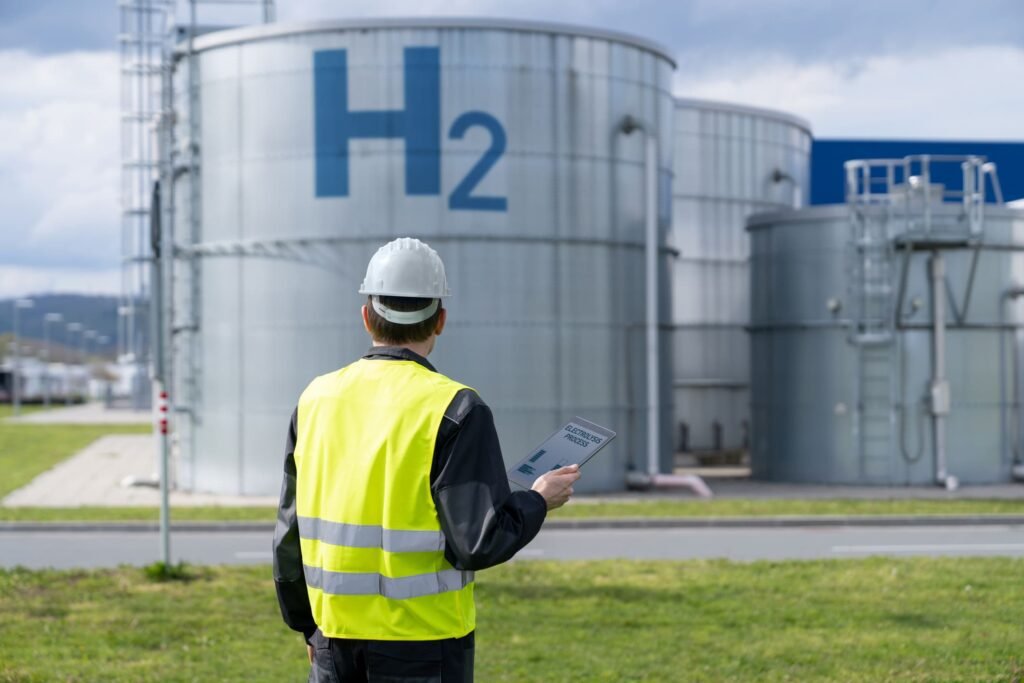
On 17 September 2026, construction began on Onuba, the first phase of the Andalusian Green Hydrogen Valley, at Palos de la Frontera near Huelva in southern Spain. The first phase carries an investment of more than one billion euros and an initial electrolysis capacity of 300 megawatts, with the option to expand by a further 105 megawatts. The company leading it described the moment as leaving behind the era of green hydrogen pilot projects.
That framing is worth taking seriously, because for most of the last decade green hydrogen has been a sector of announcements rather than concrete. A project of this scale actually breaking ground changes the conversation.
The hydrogen is the headline. The dedicated solar plant being built to feed it is the part worth reading twice.
The shape of the project
Onuba is the first stage of a larger complex. The full Andalusian Green Hydrogen Valley is planned across two sites, at Palos de la Frontera in Huelva and San Roque in Cadiz, with a combined electrolysis capacity of two gigawatts and production of up to 300,000 tonnes of renewable hydrogen a year. Total investment across the valley is put at more than three billion euros.
The first phase is led by Moeve, which holds a majority stake alongside partners including the hydrogen infrastructure fund Hy24 and the Spanish public and private financing institution COFIDES. The project has also received substantial Spanish public funding through the national hydrogen support programme, and is expected to generate several thousand direct jobs through development, construction and commissioning.
The detail renewable investors should notice
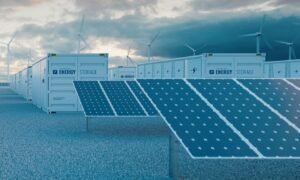
Buried in the project description is the item that matters most for anyone invested in renewable generation. The billion euro first phase includes not only the hydrogen plant and its associated infrastructure but a dedicated photovoltaic plant built for self consumption, specifically to ensure a competitive and fully renewable energy supply to the electrolysers.
Green hydrogen is only green if the electricity splitting the water is clean, and it is only commercially viable if that electricity is cheap. An electrolyser at this scale is an enormous, sustained, price sensitive consumer of power. Which means every serious hydrogen project is also, necessarily, a renewable generation project, and a buyer of exactly the kind of output that Iberian solar produces in abundance.
This is the same dynamic we described when data centres began clustering around cheap clean power in Portugal, covered in Europe just redrew its energy map in a single week. Industry follows cheap electrons. The industries that follow them then deepen the value of the generation and storage assets that supply them.
Why Iberia, and why now
The reason southern Spain hosts Europe’s largest project of this type is the same reason the region leads European solar economics. The resource is strong enough, and the cost of building generation has fallen far enough, that power can be produced competitively without a subsidy underwriting the price. Hydrogen at scale only works where the electricity is cheap, which narrows the map considerably.
The full account of how the economics moved south is in why Iberia now leads European solar energy investment, and the related argument about generation standing on its own merit is in why subsidy free power is reshaping solar energy investment.
The measured view
Green hydrogen has a long history of projects announced and quietly shelved, and one groundbreaking does not settle the sector’s economics. Electrolyser costs, the price of the power feeding them, and the willingness of industrial buyers to pay a premium for green molecules all remain open questions. A first phase under construction is not a completed plant, and completion is not the same as commercial success.
What the announcement does establish is demand. Large, sustained, contractually anchored demand for renewable electricity, sited deliberately where that electricity is cheapest. For investors positioned in Iberian generation and storage, that is a meaningful development regardless of how the hydrogen economics ultimately resolve. The offtake question, and why the contract behind an asset matters more than the asset itself, is examined in the inflation hedge inside PPAs.
Univere introduces and distributes access to renewable energy products created and structured by trusted third parties, including Solar45 and the New Frontiers Energy Fund. Capital remains at risk and offering materials are shared following certification.
Sources: European Commission and company announcements, 17 September 2026; Moeve project disclosures.
Professional access only. Not for public or retail audiences. Univere Investment Solutions Limited is not authorised or regulated by the Financial Conduct Authority, and communicates this content in reliance on the relevant financial promotion exemptions under FSMA 2000. This content does not constitute financial advice or a personal recommendation. Capital is at risk. Investments may be illiquid and difficult to realise. Past performance is not indicative of future results. Prospective investors should seek independent financial and legal advice before making any investment decision.