Why an integrated energy strategy values the order in which milestones are cleared as much as the asset at the end of them.
Two energy sites can carry identical hardware and end up worth very different amounts. Same panels, same batteries, same engineering. The difference sits in things that never appear in a photograph: where the site sits relative to the network, what capacity was reserved and when, which consents were secured before the queue filled, and whether the commercial arrangements were put in place early enough to matter.
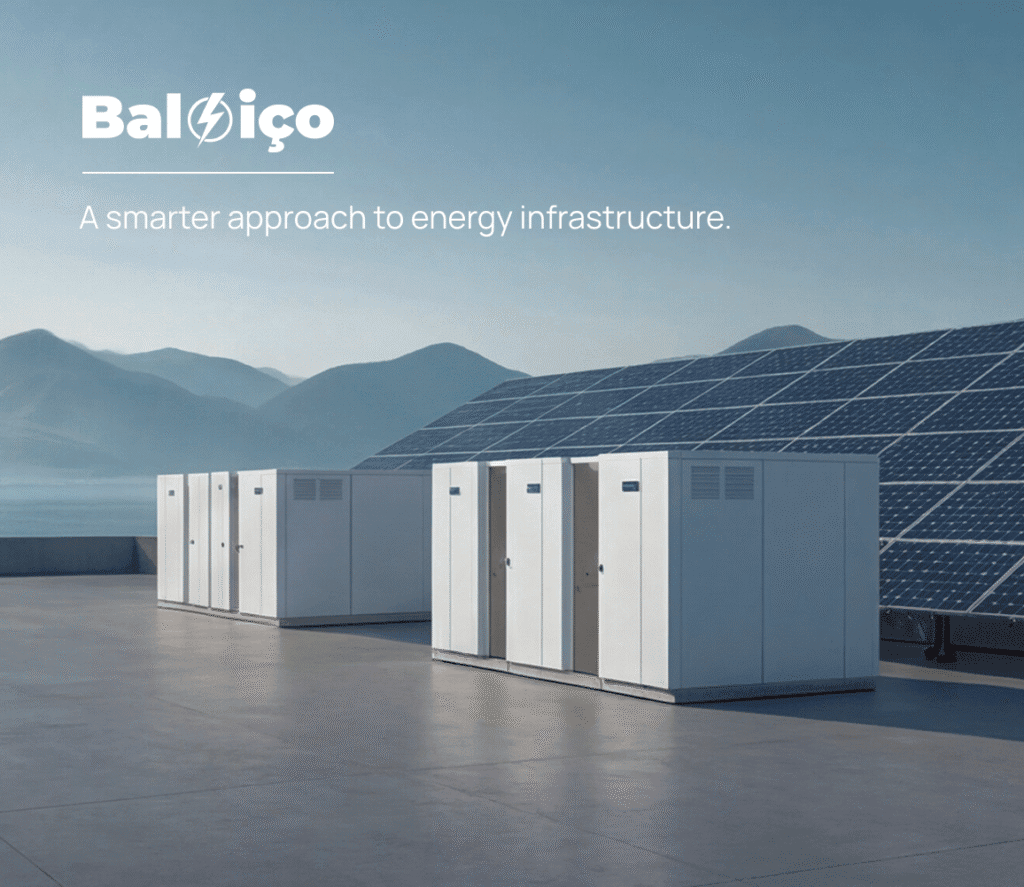
That sequence is the subject of Baloico, an energy infrastructure strategy among the projects Univere introduces to qualifying investors. The focus is integrated energy assets advanced through the development lifecycle, where value is captured in stages rather than at a single moment.
An asset is not one decision. It is a sequence of them, and the order decides what the thing becomes.
Why grid position is the scarce input
Across much of Europe the binding constraint on new energy projects is no longer the cost of equipment or the availability of land. It is the network. More than 1,700 gigawatts of renewable and hybrid projects sit waiting in connection queues across sixteen European countries, and in several markets the spare capacity at a given substation is effectively spoken for.
A project holding a connection, or sitting where capacity can realistically be obtained, holds something that cannot be manufactured. This is why position is assessed before almost anything else. The wider argument for why deliverability now sets the price of renewable capital is in the renewable energy cost of capital.
Integrated assets and why the combination matters
An integrated energy asset pairs generation with the infrastructure that makes that generation useful. Storage is the clearest example. Solar produces heavily in the middle of the day, which is also when the network is least able to absorb it and prices are weakest. A battery on the same connection takes that surplus and releases it when demand returns.
The commercial effect is that one connection earns across far more of the day, and from more than one mechanism. Generation earns while the sun is up. Storage earns by shifting energy through time and by providing the balancing services operators need. The technical case and the commercial case are decided together, at the design stage, which is why the sequencing matters so much.
What the April 2025 Iberian blackout exposed about the cost of running a renewable grid without enough of that flexibility is set out in what the Iberian blackout revealed about the energy storage gap.
Phased advancement and what it means for capital
Development is not a single leap from land to operating asset. It is a series of gates: site control, environmental assessment, planning, grid offer, connection agreement, and the commercial contracts that turn a permitted project into a financeable one. Each gate cleared reduces uncertainty and changes what the asset is worth to the next buyer in the chain.
A phased strategy is built around that reality. Capital is deployed against progress toward defined readiness rather than against a single speculative outcome, and the approach is oriented toward the point where institutional buyers will underwrite the asset. Whether any given project reaches that point is never assured, and timelines in this sector slip as a matter of routine.
Where Baloico sits alongside Solar45
The two strategies are related but not identical. Solar45 is oriented around early-stage solar generation with storage integrated into the design. Baloico is oriented around energy infrastructure more broadly, across integrated assets and the development lifecycle that carries them to readiness.
Both reflect the same underlying view, which is that the centre of value in the energy transition has moved from producing electrons toward the assets and permissions that make those electrons dependable. The fuller version of that argument, drawn from a single week of Iberian energy news, is in four days in Iberian energy that told one story.
The risks that sit with the stage
Development-stage infrastructure carries planning risk, grid risk, construction risk and timing risk, and any of them can change an outcome materially. Capital is at risk for the full term. Where a structure is asset backed, that backing relates to the underlying project and does not guarantee the return of capital.
Univere introduces and distributes access to products created and structured by trusted third parties, and does not manage the underlying assets. Product terms, project detail and offering materials are shared with certified and self-certified investors after the qualification step.
UNIVERE INVESTMENT SOLUTIONS | Access. Without the Noise.
Professional access only. Not for public or retail audiences. Univere Investment Solutions Limited is not authorised or regulated by the Financial Conduct Authority, and communicates this content in reliance on the relevant financial promotion exemptions under FSMA 2000. This content does not constitute financial advice or a personal recommendation. Capital is at risk. Investments may be illiquid and difficult to realise. Past performance is not indicative of future results. Prospective investors should seek independent financial and legal advice before making any investment decision.